


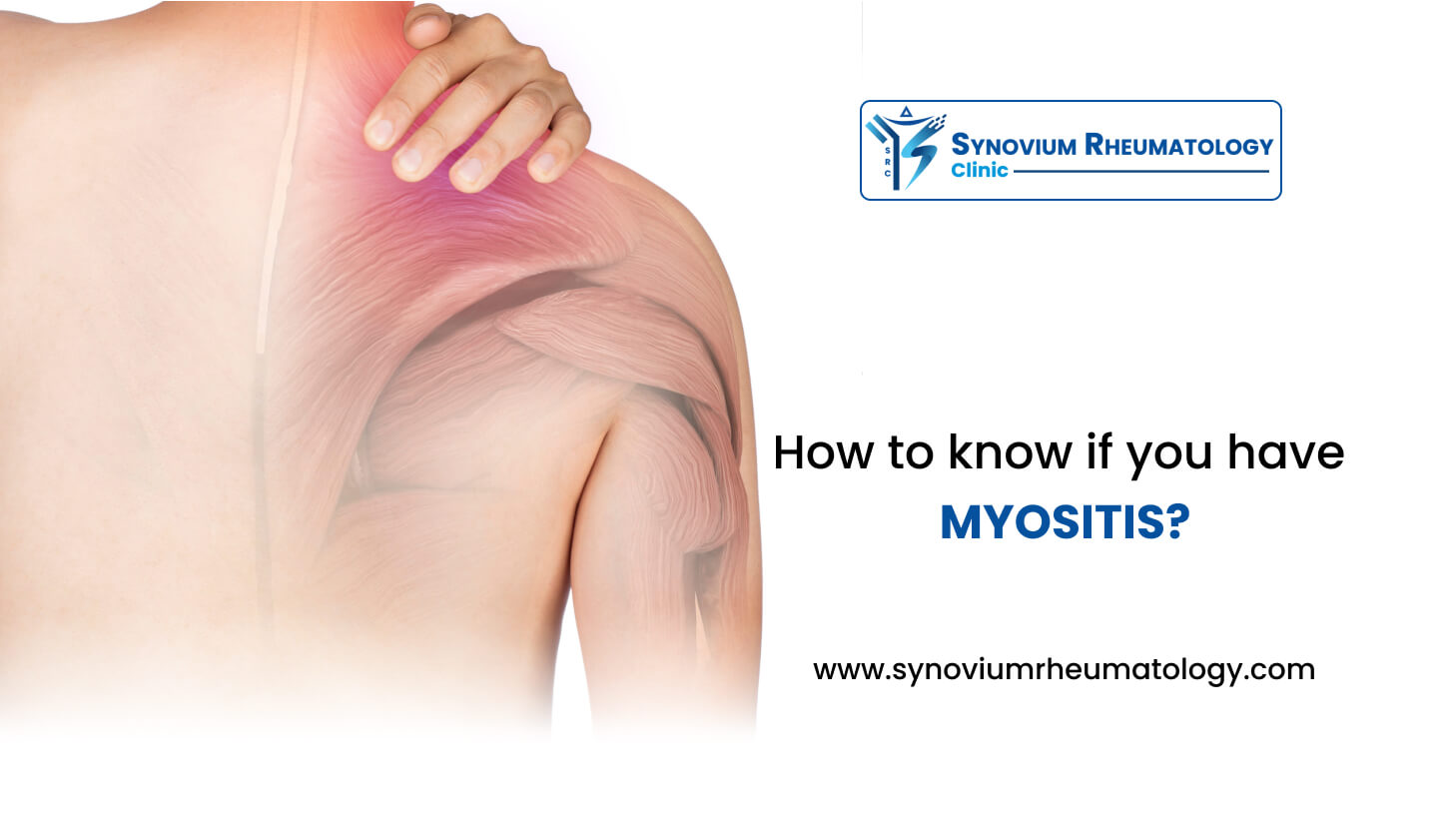
How to Know If You Have Myositis: Muscle problems are really very common in the present generation. Some problems are happening due to the activities in which a person is engaged, and some are due to autoimmune diseases. The same is true for the condition of myositis.
If you have no clue what we are talking about, keep reading till the last because we are discussing it in detail. You will also be able to know about conclude how to know if you have myositis. Let’s have a look!
What is Myositis?
Myositis is a condition that causes inflammation of the muscles. The cause of myositis can be anything from an infection to trauma, or it can happen for no apparent reason.
It can occur in any muscle group, such as the arm, thigh, or back. In some cases, it can lead to permanent disability. People who have a history of myositis are at risk of developing it again due to repeated trauma or overuse.
There are different types of myositis, with the most common being polymyositis and dermatomyositis. The most common symptoms of myositis are muscle pain and fatigue, weakness in the muscles and muscle cramps. It can also lead to ulcers on the lips and oral mucosa as well as painful eye complications such as uveitis and cataract.
In many cases, people with myositis will recover from the condition without treatment but may require continued physical therapy or rehabilitation after their recovery period has ended.
11 Signs to know if you are suffering from Myositis:
In this section, we are discussing the common signs that can help you to know you are suffering from this condition:
1. Muscle pain:
Muscle pain is a common symptom of myositis. It is usually caused by inflammation in the muscle, which happens when the immune system attacks the muscle tissue.
2. Joint inflammation:
Joint inflammation is considered a sign of myositis in the body. It is when the body’s immune system attacks the muscles and joints. Also, it can lead to muscle weakness and fatigue. It can be caused by a number of other factors, too like trauma, rheumatoid arthritis, or osteoarthritis.
3. Muscle weakness:
Myositis is a condition in which the muscles become weak and painful. It is usually in link with inflammation and swelling, which may cause pain, muscle spasms, and difficulty moving. The most common type of myositis is polymyositis, which causes weakness in multiple muscles.
4. Nail-bed abnormalities:
Nail-bed abnormalities are often in link with an autoimmune disease called myositis. The main symptom of this condition is inflammation of muscles and connective tissue in the body, which leads to pain and swelling in the affected area.
Nail-bed abnormalities are nail changes or nail deformities. They include a variety of changes in the appearance of your nails, including ridges, grooves, bumps, pits, and thickening or thinning at different parts of your nails.
5. Weight loss:
Weight loss is a sign of myositis, which occurs when muscles become inflamed and then cause muscle atrophy. This condition can be due to many factors such as trauma, infection, or autoimmune disease.
6. Irregular heartbeat:
An irregular heartbeat is a common sign of myositis, which is a muscle inflammation that can lead to rhabdomyolysis. In most cases, the irregular heartbeat develops into a more serious condition called supraventricular tachycardia.
7. Gastrointestinal ulcers:
Gastrointestinal ulcers are generally classified into two types: superficial and deep. The superficial ulcers occur on the mucosal lining of the stomach or small intestine. Deep ulcers occur in muscle tissue of the stomach or small intestine. If you have been experiencing any of these symptoms for more than a few days, it is recommended that you see your doctor rule out other possible causes.
8. Weakened hand grip and diminished hand and finger dexterity:
A weakened hand grip could be a sign of myositis. It can also affect other parts of the body such as the face, jaw, neck, shoulders and back. The condition usually occurs suddenly or gradually over time without any warning signs or obvious cause. It is typically caused by an injury to a nerve in the arm or shoulder area but can also be caused by blood clots or severe swelling in another part of the body (such as with stroke).
9. Trouble lifting the head:
One symptom of myositis is trouble lifting the head. This can happen when there is inflammation within the neck or spine region, and it may also happen when there is an injury to this area.
10. Swelling or redness of the skin around the fingernails:
Swelling or redness of the skin around the fingernails is a sign of myositis. It is a condition that occurs when muscles in your body become inflamed due to overuse and injury.
This can happen due to many factors such as using too much force on your hands, repetitive injuries, or simply disease. This condition is not contagious, and it can be treated with medication and rest.
11. Trouble swallowing:
Myositis is a condition that affects the muscles of the throat and mouth. It can cause trouble swallowing, difficulty breathing, hoarseness, pain in the chest and neck, and more. This may happen due to muscle spasms or swelling in the throat. In rare cases, it can also be due to a tumor or infection that affects the voice box.
Following are the symptoms of myositis. We hope now you are aware that these symptoms will help you to know if you are suffering from a particular condition. If you figure out even the slightest symptom, reach the doctor timely so that there will be no problem later on. For treatment, you can approach Dr. Bhupendra Vaishnav in Jaipur at Synovium Rheumatology Clinic. He is one of the best rheumatologist in Jaipur you can approach for the treatment and discuss the condition you are going through!
Also Read This:
What are the warning signs of Gout?
What are the symptoms of Spondyloarthritis?
Rheumatoid Arthritis: रूमेटाइड अर्थराइटिस क्या है?
FAQ: How to Know If You Have Myositis?
Q. 1 What are the first signs of myositis?
Ans: Painful joints are a common symptom of myositis. Muscles become sore and stiff. There are many other signs that can help you detect the condition, but these are some of the most common ones.
Q. 2 What are the first signs of myositis?
Ans: This is a difficult question to answer because there is no clear-cut answer. However, some of the first signs include:
- Muscle pain and stiffness
- Joint pain
- Fatigue
- Fever
Q. 3 How do you test for myositis?
Ans: In order to test for myositis, you will need to do a physical examination that includes looking at your skin coloration (pale), checking reflexes (weak), testing your motor function (feeling clumsy), checking your temperature (cold), and examining your joints for swelling.
Q. 4 What does a myositis flare feel like?
Ans: A myositis flare can cause chills or fever, fatigue, and muscle weakness. It is also accompanied by a loss of appetite and nausea. The pain tends to increase when you move your body, as well as when you breathe too deeply or cough.
Q. 5 Who is most likely to get myositis?
Ans: Most people with myositis have an underlying chronic illness such as diabetes, rheumatoid arthritis, inflammatory bowel disease, or lupus. It can also occur in people who have had a previous heart attack or stroke.
